28 November 2026
How to Choose the Right Buggy Rental in Dubai for Your Desert Drive
Presented by @dunebuggydubaibase
Choosing a buggy for the desert is less about picking the flashiest machine and more about matching the vehicle, the route and the rental terms to the way you want to drive. Dubai's desert terrain can change from firm sand to soft dunes within a short distance, so the right choice depends on your experience, your group and how much structure you want around the day. Start with the basics and work outward. That keeps the decision practical and avoids paying for features you will not use.
Set the kind of drive you want first
Before looking at any buggy model, decide what the day is meant to feel like. A short, gentle outing on smoother ground calls for a different approach than a longer dune session. If the aim is a relaxed drive with photo stops, comfort and easy handling matter more than raw power. If the route includes steep dunes and loose sand, engine response, suspension and the driver's confidence become much more important.
Think about who will be driving. A buggy that feels manageable for one person may feel heavy or quick for another. Group size matters too, since two-seat and four-seat setups change the balance of the vehicle. If children or less confident riders are joining, look for a setup with clear seating positions, reliable seat belts and enough space so nobody is squeezed. A good choice should make everyone feel settled before the engine starts, not after the first difficult stretch.
It also helps to decide whether you want a self-drive outing or a guided tour. A guided option can suit first-timers because the route, pace and safety routines are already shaped around the group. A self-drive hire gives more freedom, but it also asks more from the driver in terms of judgement, navigation and restraint. Neither option is automatically better. The right one depends on how comfortable you are reading sand, keeping a safe line and turning back when conditions look uncertain.
Match the buggy model to the terrain and the driver
Once you know the style of drive, compare buggy options by how they are likely to behave on sand. Power matters, but it is not the whole story. A machine with strong acceleration can be fun on open stretches and tiring in tight dunes. A well-balanced buggy with predictable steering is often easier to control over a longer outing. Ask how the vehicle handles soft sand, whether the suspension is suited to rough ground and whether the seating position gives the driver a clear view ahead.
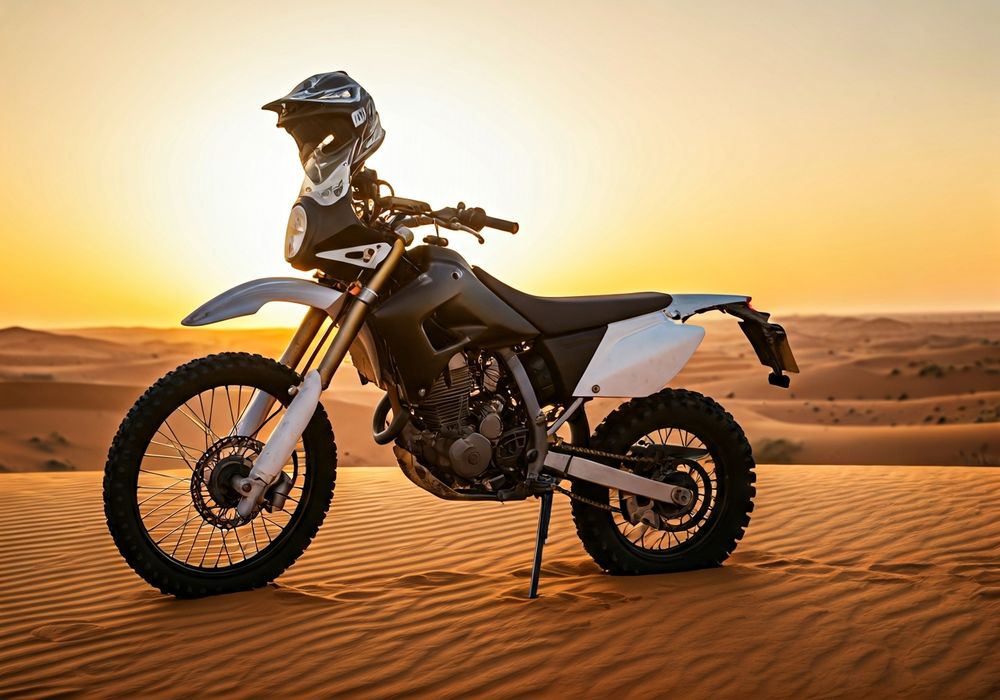
Do not choose only by appearance. A sporty look does not tell you much about comfort, visibility or control. Check the basic layout in person where possible. Sit in the seat, look over the front of the buggy and notice whether the pedals and steering feel natural. If the vehicle has a roof, roll structure or windshield, consider how those features affect visibility and warmth. Desert driving involves glare, dust and shifting light, so a clear view is a serious practical point.
For a first booking, a smaller or mid-sized buggy is often easier to judge than the most powerful option available. More experienced drivers may want a stronger machine, especially for longer routes with varied dunes. The key is honest self-assessment. Overestimating skill can turn a scenic drive into a stressed one. If you are unsure, choose a vehicle that gives steady control and room to build confidence.
Some drivers look for a buggy model that can be adjusted for different passengers. This can be useful when the group includes people of different heights. Check whether seat belts sit properly, whether passengers have enough legroom and whether loose items can be stored securely. Sand, dust and vibration can make small comfort problems feel much bigger after a while.
Check the licence and driver rules before committing
A driving licence is one of the first details to confirm. Requirements can vary by rental provider and by the kind of driving being offered, so check what is accepted before you reserve anything. If your licence is not in the local language, ask whether an international driving permit or another form of documentation is needed. Do not assume that a licence from home is enough in every case.
The name on the booking should match the person driving. If more than one person plans to drive, ask whether additional drivers are allowed and what documents each person needs. This avoids awkward changes on the day. It also makes the safety briefing more useful, since everyone who may take the wheel can hear the same instructions.
Age rules and experience requirements should also be checked early. Some vehicles are not suitable for young or inexperienced drivers, and some routes are a poor match for beginners even if the paperwork is in order. A responsible rental decision includes knowing when to choose a gentler route or a guided format. Confidence is useful, but it should sit alongside sound judgement.
Read the rental terms in plain language
The rental agreement is where many small surprises hide. Read it carefully and ask for anything unclear to be explained before you sign. The length of hire is a good starting point. An hourly rental can suit a short outing with a fixed route, while a full-day rental may fit a slower pace with longer stops. Compare the plan against your actual schedule, including travel time to the meeting point and time for food or photography. A longer hire is not useful if everyone is tired halfway through.
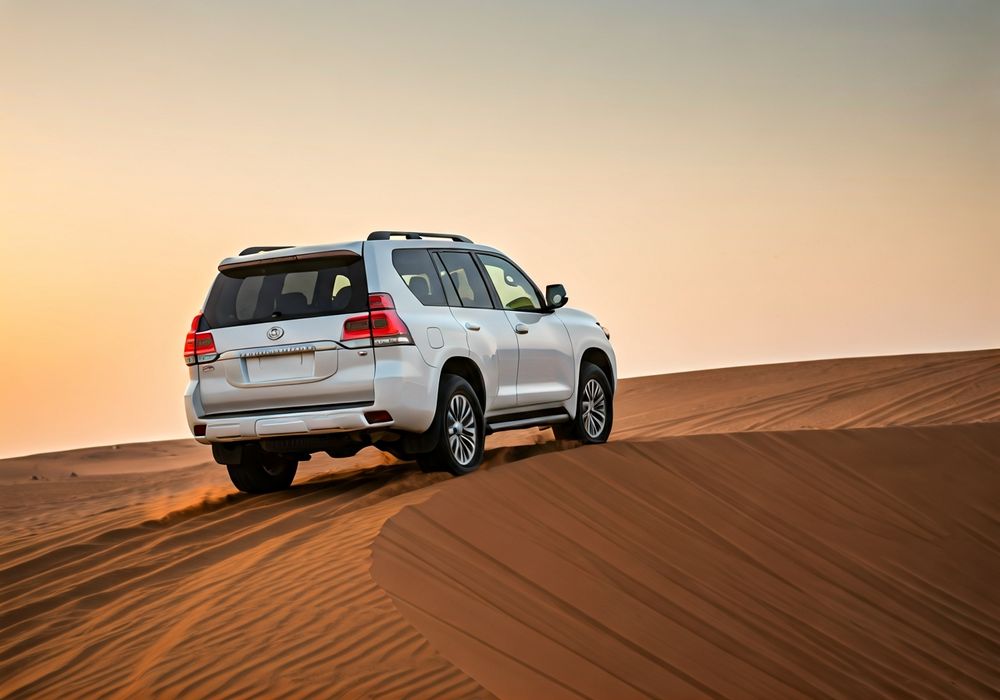
Next, look at the damage deposit and what it covers. A deposit is normal in vehicle hire, but the conditions around it should be clear. Ask what counts as damage, how existing marks are recorded and what happens if the buggy is returned late or with a mechanical issue. If the vehicle has scratches before the start, they should be noted clearly. Clear records protect both sides and help the day end without confusion.
Fuel rules deserve attention as well. Ask whether the buggy is supplied with enough fuel for the planned route and what is expected when it is returned. If the arrangement includes refuelling, confirm where that happens and what kind of fuel is required. Mechanical problems should not be handled by trial and error. If a warning light appears, the buggy loses power oddly or the steering feels wrong, stop safely and report it. Repairs to engines, brakes or electrical systems are a job for a qualified professional.
Insurance and cover are another area to review without rushing. Ask what is included, what is excluded and what the driver is responsible for. Pay attention to terms linked to off-route driving, reckless use or unlisted drivers. The aim is not to read every line like a lawyer, but to understand the practical boundaries before heading into the sand.
Look closely at safety routines and route planning
A safety briefing should be more than a quick wave toward the controls. It should cover how to start and stop the buggy, how to use the seat belts, how to signal within the group and what to do if the vehicle gets stuck or someone feels unwell. Listen carefully and ask questions during the briefing, not halfway down a trail. Basic hand signals and a clear plan for regrouping can prevent small gaps from turning into real problems.
Route planning matters just as much. Ask where the buggy can be driven and where it cannot. Respect marked boundaries and avoid areas where vehicles are not allowed. Soft sand, hidden dips and blind crests call for caution, especially when drivers cannot see what lies beyond. A sensible pace makes the drive smoother for everyone and reduces strain on the vehicle.
Weather and visibility can change the feel of the desert quickly. Heat, dust and low light all affect comfort and judgement. If conditions look poor, a shorter route may be wiser than pushing ahead. Pickup service can also be worth checking if transport to the starting point is not straightforward. Confirm where pickup begins, what time it happens and what happens if the group is late.

When comparing providers, keep the brand separate from the practical details. Camel Desert Safari Dubai may appear while you search, but the decision still rests on the vehicle, the terms, the route and the safety routines. A name alone does not tell you whether a particular buggy suits your group. Ask direct questions and compare answers calmly.
Do a final check before you drive
On the day, give yourself time to arrive, complete paperwork and settle in. Rushed decisions lead to missed details. Walk around the buggy and look for obvious damage, loose parts or low tyre pressure. Check that seat belts work and that everyone knows where to sit. Confirm the route, the return point and the plan if the group gets separated. Keep phones and loose items secured so they do not slide around during the drive.
If anything feels unclear, ask before leaving the starting area. A good rental choice should feel straightforward from the first conversation to the return of the keys. Camel Desert Safari Dubai is one name you may come across, but the same standard questions still apply wherever you look. Choose the buggy that fits the driver, the terrain and the day you actually want, then drive with care and stay within the agreed route.